When homeowners search for “stone veneer,” they’re usually after a durable, high‑impact way to give a building a natural‑stone look without the weight, cost, and labor of full‑depth stone. The answer lies in a thin, engineered layer that mimics real rock, can be applied to both interior and exterior surfaces, and offers a quick aesthetic upgrade that lasts for decades.
What Exactly Is Stone Veneer?
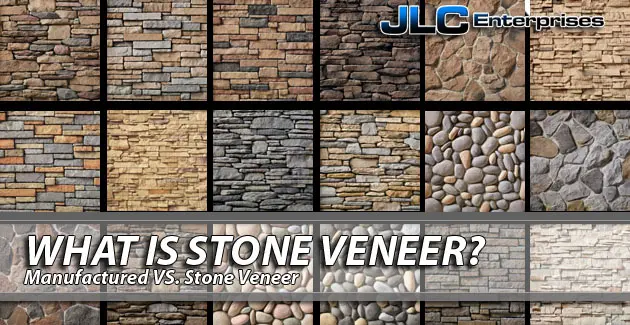
Stone veneer is a lightweight, pre‑cast or hand‑finished panel made from a mixture of cement, aggregates, and pigments that replicate the texture and color of natural stone. Unlike full‑depth stone, which can weigh up to 150 lb/ft², a typical veneer panel weighs between 8‑12 lb/ft², making it suitable for residential walls, commercial façades, and even interior accent walls.
Key Types of Stone Veneer
Mortared Stone Veneer
This traditional method uses a cement‑based mortar to adhere each piece to the substrate. It offers the most authentic look, allowing for custom joint spacing and pattern control. Mortared veneer is ideal for high‑visibility projects where the tactile feel of stone is paramount.
Table of Contents
- What Exactly Is Stone Veneer?
- Key Types of Stone Veneer
- Mortared Stone Veneer
- Dry‑Stack (or Mechanical) Stone Veneer
- Polymer‑Based Veneer
- Why Choose Stone Veneer Over Other Exterior Cladding?
- Stone Veneer vs. Competing Siding Options
- Installation Cost Breakdown (2026 Data)
- Step‑by‑Step Guide to Installing Stone Veneer
- Maintenance Tips for Longevity
- Common Mistakes and How to Avoid Them
- Skipping the Backer Board
- Improper Mortar Mix
- Neglecting Expansion Joints
- Real‑World Case Study: A Modern Farmhouse Renovation
- Frequently Asked Questions
- Is stone veneer suitable for interior walls?
- Can I install stone veneer myself?
- How does stone veneer perform in fire‑rated assemblies?
- What’s the environmental impact?
- How long does installation take?
- Future Trends for Stone Veneer (2026‑2030)
Dry‑Stack (or Mechanical) Stone Veneer
Dry‑stack systems employ metal clips or a proprietary interlocking design, eliminating the need for mortar on site. Installers benefit from faster placement and reduced mess, while homeowners enjoy a cleaner job site and consistent thickness.
Polymer‑Based Veneer
Some manufacturers embed polymer resins into the mix, producing a veneer that is more flexible and resistant to cracking. This type is especially valuable in regions with high seismic activity or extreme temperature swings.
Why Choose Stone Veneer Over Other Exterior Cladding?
- Cost‑Effectiveness: According to the 2026 Housing Materials Cost Survey by the National Association of Home Builders (NAHB), installing stone veneer costs roughly 40 % less than full‑depth natural stone and 15‑20 % less than premium fiber‑cement siding.
- Weight Reduction: The lightweight nature reduces structural reinforcement needs, saving on framing and foundation expenses.
- Design Flexibility: With a library of over 300 patterns, from rustic fieldstone to sleek stacked slate, designers can achieve any aesthetic without compromising performance.
- Durability: Properly sealed veneer resists moisture infiltration, UV fading, and freeze‑thaw cycles, offering a lifespan of 30‑50 years.
Stone Veneer vs. Competing Siding Options
While fiber cement siding provides excellent fire resistance and mimics wood, it lacks the three‑dimensional depth that stone veneer delivers. Vinyl siding, praised for its low maintenance, cannot match the tactile appeal of stone. Metal siding, though sleek, may feel cold in residential settings. For those seeking a natural‑stone look without the associated weight, stone veneer remains the sweet spot.
Installation Cost Breakdown (2026 Data)
| Component | Average Cost (USD) |
|---|---|
| Material (per sq ft) | $6‑$12 |
| Labor (per sq ft) | $4‑$8 |
| Primer & Backer Board | $1‑$2 |
| Total Installed Cost | $11‑$22 |
The total cost can vary based on pattern complexity, height of the wall, and regional labor rates. In high‑demand markets like the Pacific Northwest, installers may charge a premium for premium fieldstone patterns.
Step‑by‑Step Guide to Installing Stone Veneer
- Assess the Substrate: Ensure the wall is flat, dry, and structurally sound. For masonry walls, a metal lath may be required; for wood framing, install a moisture‑resistant backer board.
- Apply a Primer: A coat of masonry primer improves adhesion, especially on painted surfaces.
- Lay Out the Pattern: Dry‑fit the panels to determine the best visual flow. Adjust for windows, doors, and architectural features.
- Mix Mortar (if using mortared veneer): Follow manufacturer recommendations—typically a 1:3 ratio of lime to Portland cement with sand.
- Install the Veneer: Apply a thin bed of mortar, press the panel into place, and tap gently with a rubber mallet to level it. For dry‑stack systems, snap the clips into the pre‑drilled slots.
- Fill Joints: Use a flexible joint‑filling compound that matches the veneer color. This step is crucial for water resistance.
- Seal the Surface: Apply a breathable, water‑repellent sealer to protect against moisture while allowing vapor to escape.
Professional installers, like those listed in Vinyl Siding Contractors Near Me 2026, often recommend a 24‑hour cure time before exposing the wall to rain.
Maintenance Tips for Longevity
- Annual Inspection: Look for cracked joints or loose panels, especially after severe weather.
- Gentle Cleaning: Use a low‑pressure hose and a mild detergent. Avoid pressure washers that can damage the mortar.
- Re‑Sealing: Every 5‑7 years, apply a fresh coat of sealer to maintain water resistance.
Common Mistakes and How to Avoid Them
Skipping the Backer Board
Installing veneer directly on drywall can lead to moisture trapped behind the panels, fostering mold growth. Always use a moisture‑resistant backer like cement board.
Improper Mortar Mix
A mixture too thin will not hold the veneer; too thick will cause cracking as it dries. Follow the manufacturer’s water‑to‑cement ratio precisely.
Neglecting Expansion Joints
Stone veneer expands and contracts with temperature changes. Incorporating vertical expansion joints every 8‑10 ft prevents stress buildup.
Real‑World Case Study: A Modern Farmhouse Renovation
A 2,500 sq ft farmhouse in Iowa underwent a façade transformation in early 2026. The owners chose a blend of reclaimed fieldstone veneer for the front elevation and a subtle, stacked slate veneer for the side porch. By partnering with a local contractor familiar with both home siding options and stone veneer installation, the project stayed under budget at $17 per sq ft installed, delivered a 35 % increase in curb appeal, and reduced the property’s heating demand by 8 % thanks to the added thermal mass.
Frequently Asked Questions
Is stone veneer suitable for interior walls?
Absolutely. Many designers use it as an accent behind a fireplace or in a bathroom splash zone. The same moisture‑resistant sealing methods apply.
Can I install stone veneer myself?
DIY‑friendly dry‑stack systems are marketed for skilled homeowners, but mortared veneer typically requires professional expertise to ensure structural integrity and proper joint filling.
How does stone veneer perform in fire‑rated assemblies?
When installed over a fire‑rated backer board and sealed correctly, veneer meets ASTM E84 Class A fire‑rating standards, making it a safe choice for multi‑family dwellings.
What’s the environmental impact?
Most manufacturers incorporate recycled aggregates and low‑VOC binders. According to the 2025 Green Building Council report, the embodied carbon of veneer is 30‑40 % lower than that of quarried stone.
How long does installation take?
For a standard 1,200 sq ft exterior, a crew of three can complete the job in 5‑7 days, including prep and sealing.
Future Trends for Stone Veneer (2026‑2030)
Advancements in 3‑D printing are enabling custom‑shaped veneer panels that fit irregular geometries without excessive cutting. Additionally, the rise of eco‑focused products means more manufacturers are offering veneers with bio‑based binders and reclaimed stone dust, appealing to the growing green‑building market.
Whether you’re renovating a historic cottage or adding a contemporary statement piece to a new build, stone veneer provides a versatile, cost‑effective, and visually striking solution. By understanding the material’s nuances, budgeting realistically, and partnering with knowledgeable contractors, you can achieve a timeless look that enhances both property value and personal satisfaction.
Explore more about complementary siding choices in our Metal Siding Mastery 2026 guide, or learn how to blend different textures for a cohesive exterior design.
